
Introduction
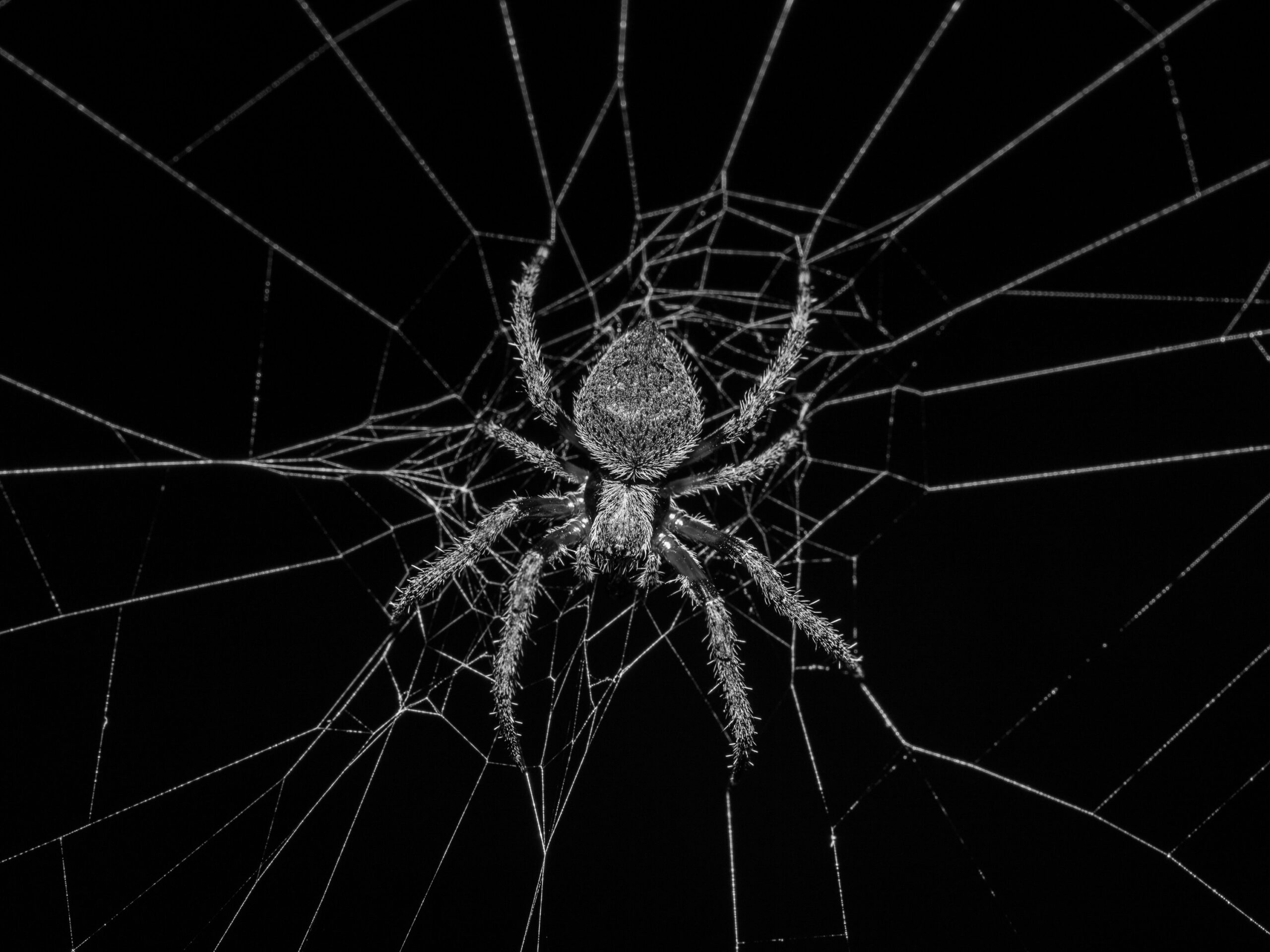
Spiders and wasps are two of the most common household pest complaints from homeowners across the USA and Australia. While most spiders are harmless and wasps play an important role in the ecosystem, neither are welcome inside your home. This guide covers everything you need to know to keep both out safely and permanently.
Are House Spiders Dangerous?
The vast majority of spiders found in homes are completely harmless to humans. However in the USA and Australia there are several species that require caution:
USA:
- Black Widow — shiny black with red hourglass marking. Venomous and requires medical attention if bitten.
- Brown Recluse — light brown with violin shaped marking. Found in dark undisturbed areas.
Australia:
- Redback Spider — black with red stripe. Highly venomous and common in suburban homes.
- Funnel Web Spider — large and aggressive. Extremely venomous and found in New South Wales.
- Huntsman Spider — large and fast but generally harmless despite their frightening appearance.
If you find any of these species in your home take extra caution and consider professional removal.
Signs of a Spider Problem
- Multiple webs appearing regularly throughout your home
- Egg sacs attached to webs or in dark corners
- Seeing spiders frequently especially at night
- Finding shed spider skins in undisturbed areas
How to Keep Spiders Out of Your Home
1. Remove Existing Webs Regularly
The simplest way to discourage spiders is to remove their webs as soon as they appear. Use a vacuum cleaner to remove webs and egg sacs. Pay special attention to:
- Ceiling corners
- Behind furniture
- Under window sills
- In garage and shed areas
- Around outdoor lights
2. Essential Oils Spider Repellent
Spiders hate strong scents. Make a natural repellent spray:
- 10 drops peppermint essential oil
- 10 drops tea tree oil
- 500ml water
- Few drops of dish soap
Spray around windows, doors, and any gaps where spiders enter. Reapply weekly for best results.
3. Reduce Outdoor Lighting
Outdoor lights attract insects which in turn attract spiders looking for food. Switch to yellow sodium vapor lights or LED bulbs which attract fewer insects. Turn off unnecessary outdoor lights at night.
4. Seal Entry Points
Spiders enter through tiny gaps. Check and seal:
- Gaps around window frames
- Cracks in walls and foundations
- Gaps under doors — install door sweeps
- Holes around pipes and cables
- Gaps in roof eaves
5. Reduce Clutter
Spiders love undisturbed clutter where they can hide and build webs. Regularly declutter:
- Garage and storage areas
- Under beds and furniture
- Cardboard boxes — replace with sealed plastic storage
- Firewood stored near the house — keep it away from exterior walls
6. Use Diatomaceous Earth
Sprinkle food grade diatomaceous earth along baseboards, in corners, and around the perimeter of your home. It kills spiders and insects on contact without chemicals.
Dealing With Wasps
Wasps become a serious problem when they build nests near or inside your home. Unlike bees wasps can sting multiple times and become highly aggressive when threatened.
Signs of a Wasp Problem
- Seeing large numbers of wasps around your property
- Finding a nest — papery grey structure often found in roof eaves, wall cavities, garden sheds, or underground
- Wasps entering and exiting a specific point in your walls or roof
Types of Wasps in USA and Australia
USA:
- Yellow Jacket — aggressive and common. Builds nests underground and in wall cavities.
- Paper Wasp — less aggressive. Builds open honeycomb nests under eaves.
- Bald Faced Hornet — large and aggressive. Builds large paper nests in trees and on buildings.
Australia:
- European Wasp — highly aggressive. Builds large underground nests. Major pest in southern Australia.
- Paper Wasp — common throughout Australia. Less aggressive than European wasps.
- Mud Dauber — solitary and generally non aggressive. Builds mud nests on walls.
How to Remove a Wasp Nest Safely
Small nests (early stage):
- Wait until after dark when wasps are inactive
- Wear protective clothing — long sleeves, gloves, face protection
- Use a wasp freeze spray — available at hardware stores
- Spray directly into the nest entrance
- Wait 24 hours before removing the nest
- Place the nest in a sealed bag and dispose
Large or established nests:
Do not attempt to remove large nests yourself. Call a licensed pest controller. Large nests can contain thousands of wasps and disturbing them without proper equipment is extremely dangerous.
Never:
- Pour water on a wasp nest
- Block the entrance to a nest
- Try to burn a wasp nest
- Disturb a nest during daylight hours
Natural Wasp Deterrents
- Fake wasp nests — wasps are territorial and will avoid areas where they think another colony is established. Hang a fake nest near your outdoor areas.
- Peppermint oil — wasps dislike the smell strongly. Apply to potential nesting sites in early spring before they establish.
- Cloves and lemon — place cut lemons studded with cloves in outdoor areas. A natural wasp repellent.
- Keep bins sealed — wasps are attracted to sweet food and drinks. Always keep outdoor bins tightly sealed.
First Aid for Wasp Stings
If stung by a wasp:
- Move away from the area calmly to avoid further stings
- Remove the sting if visible by scraping sideways with a card
- Wash the area with soap and water
- Apply a cold pack to reduce swelling
- Take an antihistamine if available
Seek emergency medical help immediately if:
- You experience difficulty breathing
- Swelling spreads beyond the sting site
- You feel dizzy or faint
- You have a known allergy to wasp stings
Prevention Tips for Both Spiders and Wasps
- Inspect your roof eaves and wall cavities every spring before wasp season
- Keep your garden tidy — tall grass and dense plants provide shelter for both
- Check window and door screens for holes and repair immediately
- Store outdoor furniture cushions inside when not in use
- Keep compost heaps away from the house
Conclusion
Keeping spiders and wasps out of your home is largely about prevention — sealing entry points, reducing attractants, and staying on top of nest removal before they establish. For dangerous spider species or large wasp nests always prioritize your safety and call a professional. With consistent effort you can enjoy a spider and wasp free home year round.
This article contains affiliate links. If you purchase a product through our links we may earn a small commission at no extra cost to you.
For an active wasp nest near the house, a reliable wasp nest spray lets you treat it from a safe distance before calling in a professional for anything large or hard to reach.