
The Best Pest Control is the Kind You Never Need
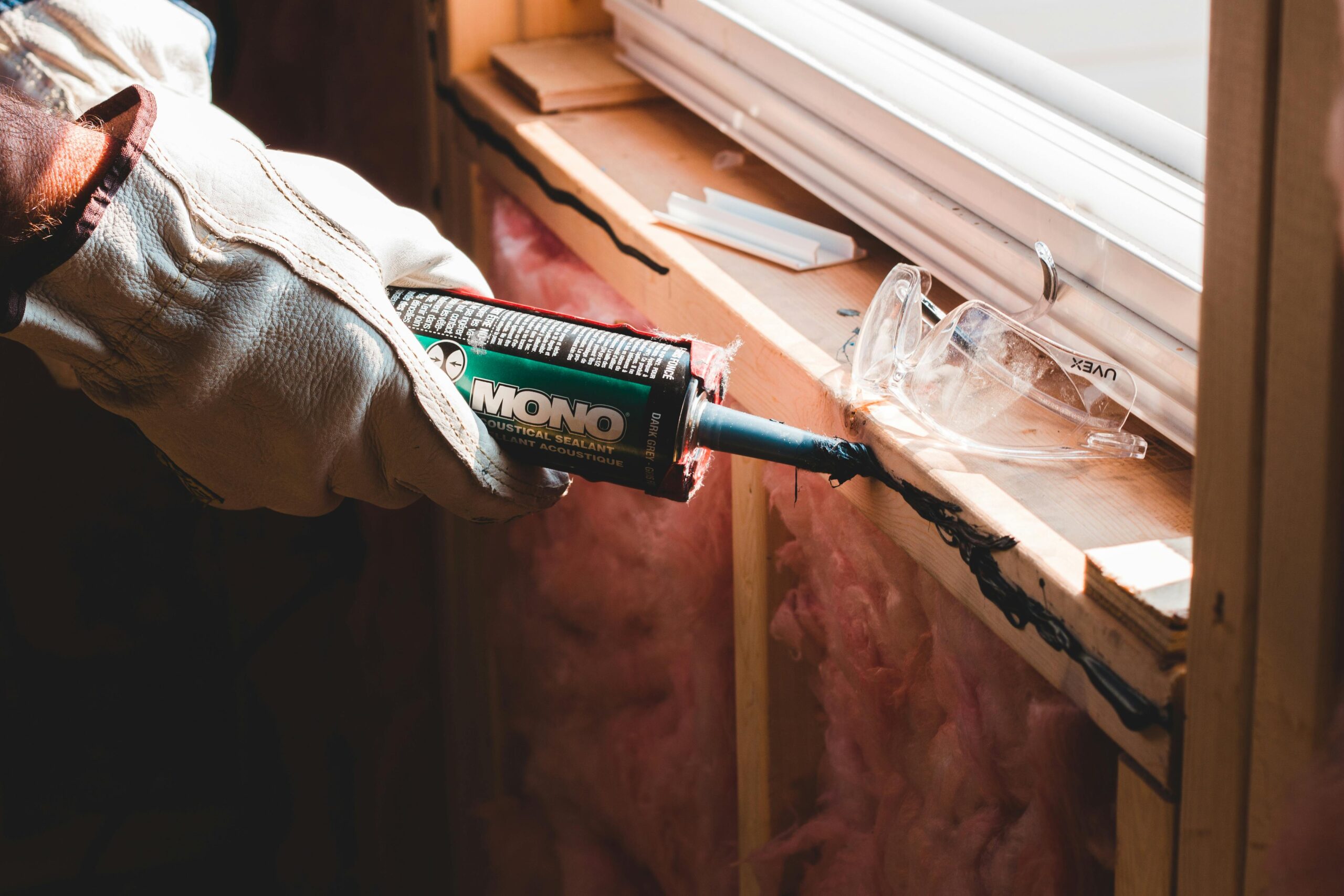
Here’s something most pest control companies won’t tell you: the single most effective thing you can do to protect your home from pests costs less than $20 and takes an afternoon.
Sealing your home.
Not spraying. Not baiting. Not calling anyone.
Just systematically closing off every gap, crack, and opening that pests use to get inside in the first place.
This guide walks you through every room in your home — from the kitchen to the roof — and shows you exactly what to look for and how to fix it.
What You’ll Need
Before you start grab these from your local hardware store:
- Silicone caulk and caulk gun (~$10)
- Expanding foam spray (~$8)
- Steel wool (~$5)
- Door sweep (~$10)
- Window screen repair tape (~$6)
- A flashlight
Total cost: under $40. Compare that to a single pest control visit.
Why Sealing Works Better Than Spraying
Sprays kill pests that are already inside your home. Sealing stops them from getting in at all.
Think of it this way — if water was leaking through a hole in your roof you wouldn’t just keep mopping the floor. You’d fix the hole.
Same principle applies to pests.
The Kitchen
The kitchen is ground zero for most pest infestations. Food, warmth, and moisture make it the most attractive room in your home for ants, cockroaches, and mice.
Under the sink
Pull everything out from under your kitchen sink and shine your flashlight inside. Look for:
- Gaps around the pipes where they enter the wall
- Cracks along the back wall
- Any daylight visible — if you can see light, pests can get through
Fix: Pack steel wool tightly around any pipe gaps, then seal over it with silicone caulk. Steel wool first — rodents can chew through caulk alone but not steel wool.
Behind appliances
Pull your fridge and oven away from the wall. You’ll likely find gaps where power cables and gas lines enter the wall. These are motorway-grade pest highways.
Fix: Seal with expanding foam for larger gaps, silicone caulk for smaller ones.
Cabinet gaps
Check inside your cabinets where they meet the wall and floor. Even small gaps at the back of cabinets give cockroaches a direct route from wall voids into your kitchen.
Fix: Silicone caulk along any gaps where cabinets meet walls.
The Bathroom
Bathrooms are the second most common entry point for pests due to the moisture and the pipes.
Around toilet and basin pipes
The gaps around pipes where they enter the floor are a favourite entry point for cockroaches and silverfish.
Fix: Silicone caulk around the base of all pipes at floor level. Use a waterproof formula in bathrooms.
Exhaust fan vents
Your bathroom exhaust fan vents to the outside — and that vent is an open door for insects if it doesn’t have a proper flap seal.
Fix: Check the exterior vent cover. It should have a flap that closes when the fan isn’t running. Replace if damaged or missing.
Window frames
Bathroom windows are often older and have gaps in the frame from years of moisture and expansion.
Fix: Run your finger along the window frame inside and out. Fill any gaps with silicone caulk.
The Laundry
Dryer vent
Your dryer vent is a large opening to the outside world. If the exterior flap is damaged or stuck open it’s an open invitation for birds, mice, and insects.
Fix: Check the exterior dryer vent flap. Replace if damaged. Consider adding a pest guard cover.
Wall gaps behind washing machine
Same as the kitchen — check behind your washing machine for gaps around water supply lines and drainage pipes.
Fix: Expanding foam for large gaps, silicone caulk for small ones.
The Garage
Garages are one of the most neglected areas of pest proofing yet one of the most important. Most garages have large gaps under the door, around the frame, and where utilities enter.
Garage door gap
Shine a flashlight under your closed garage door at night. If you can see light under the door so can every mouse, rat, and insect in your neighbourhood.
Fix: Install a rubber door sweep along the bottom of the garage door. Most hardware stores sell these pre-cut to standard sizes.
Garage door frame
Check the sides and top of the garage door frame for gaps. Even small gaps are enough for mice — they can squeeze through a gap the size of a pencil.
Fix: Weatherstripping foam tape along the door frame.
Utility penetrations
Where electrical cables, water pipes, and gas lines enter your garage from outside there are almost always gaps.
Fix: Expanding foam for large gaps, silicone caulk for small ones. For gas lines use fire rated expanding foam.
The Roof and Attic
The roof and attic are where the most serious pest infestations begin — and the most overlooked.
Roof eaves and vents
Birds, possums, rats, and wasps all love roof voids. They enter through damaged eaves, broken roof tiles, and unscreened roof vents.
Fix: Walk around the outside of your home and look up at the eaves. Look for:
- Damaged or missing roof tiles
- Gaps in fascia boards
- Unscreened or damaged roof vents
Roof vents should have fine wire mesh screens. Replace any that are damaged or missing.
Roof penetrations
Where pipes and cables exit through your roof there are often small gaps around the penetration point.
Fix: These are best sealed with roof-rated silicone or flashing. If you’re not comfortable on the roof call a handyman — it’s a small job.
The Exterior Perimeter
Walk around the outside of your home and look for:
Foundation cracks
Small cracks in your foundation are entry points for ants, cockroaches, and in severe cases termites.
Fix: Fill hairline cracks with concrete crack filler. For larger cracks consult a builder.
Weep holes
Brick homes have small weep holes at the base of the brickwork to allow moisture to escape. These are also entry points for cockroaches and spiders.
Fix: Install weep hole covers — small plastic inserts that allow moisture to escape but block pests. Available at hardware stores for a few dollars.
Where walls meet the ground
Check where your exterior walls meet the concrete or soil. Any gap here is an entry point.
Fix: Silicone caulk for small gaps. Expanding foam for larger ones.
Doors and Windows Throughout the House
Door sweeps
The gap under exterior doors is one of the most common pest entry points in any home. A mouse can squeeze through a gap of just 6mm.
Fix: Install door sweeps on all exterior doors. They take about 10 minutes to fit and cost around $10 each.
Window screens
Check every window screen in your home for holes, tears, and gaps around the frame.
Fix: Small holes can be patched with screen repair tape. Larger damage requires screen replacement — frames and mesh are available at any hardware store.
Weatherstripping
Check the weatherstripping around all exterior doors and windows. It should form a complete seal when the door or window is closed.
Fix: Replace any weatherstripping that is cracked, compressed, or missing.
Your Seasonal Pest Proofing Schedule
Sealing your home isn’t a one-time job. Make it a seasonal habit:
Spring
- Check roof eaves after winter storms
- Inspect foundation for new cracks
- Replace any weatherstripping damaged over winter
- Check window screens before opening windows for the season
Summer
- Check door sweeps — heat causes them to compress and lose their seal
- Inspect weep holes
- Check exhaust vents
Autumn
- Most important season — pests are looking for winter shelter
- Full perimeter check
- Pay special attention to garage and roof voids
Winter
- Check for gaps around heating system pipes and vents
- Inspect roof after heavy rain
The 30 Minute Weekend Check
Can’t do the full room-by-room check right now? Here’s the 30 minute version that covers the highest risk areas:
- Under kitchen sink — 5 minutes
- Garage door gap — 5 minutes
- All exterior door sweeps — 10 minutes
- Window screens — 10 minutes
This quick check eliminates the majority of common pest entry points and takes less time than watching an episode of television.
Final Thought
Pest proofing your home isn’t glamorous work. But spending an afternoon sealing gaps now is infinitely better than spending weeks dealing with an infestation later.
Get the caulk gun out this weekend. Your future self will thank you.
This article contains affiliate links. If you purchase a product through our links we may earn a small commission at no extra cost to you.