
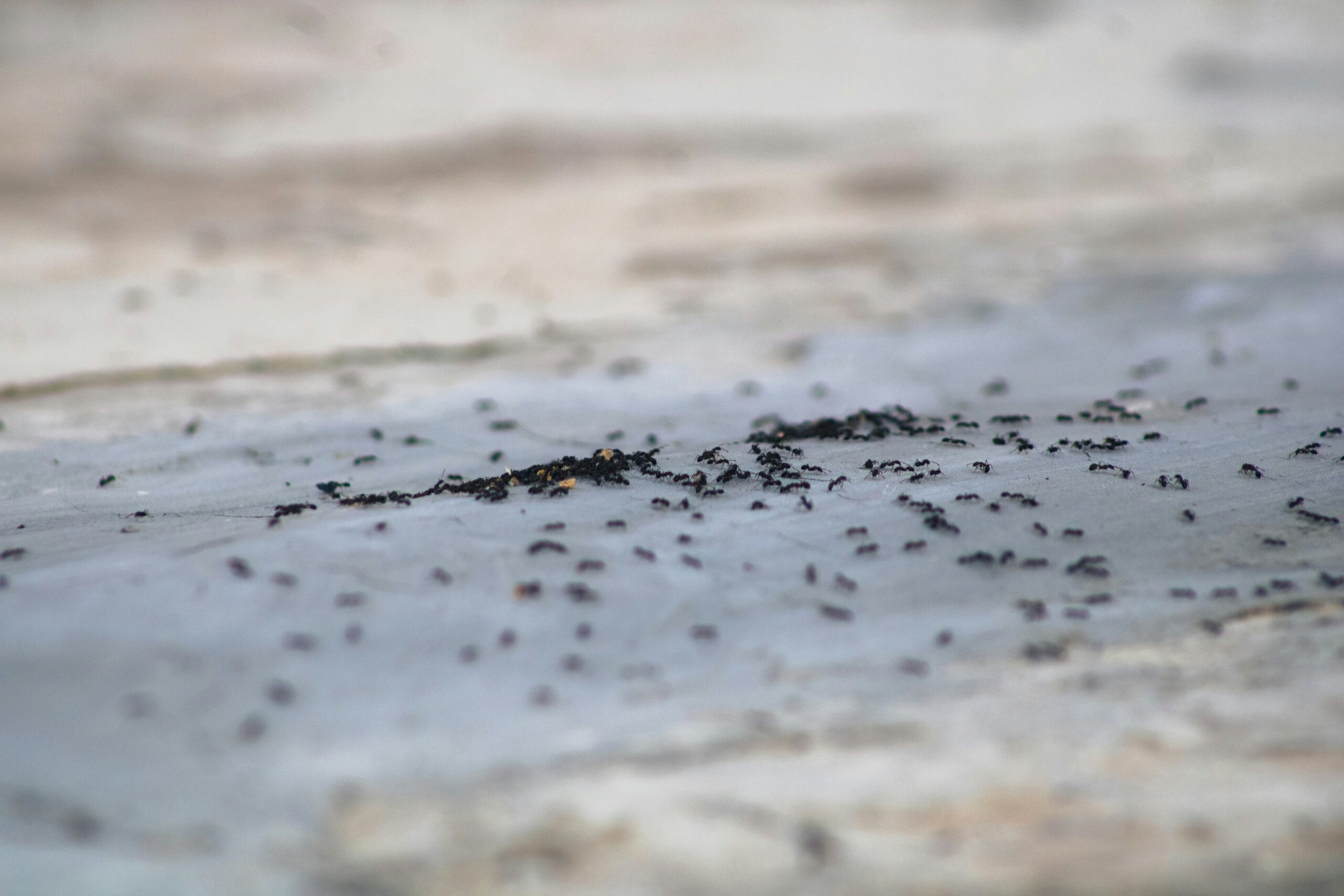
If you’ve never heard of the Asian needle ant, you’re not alone, but you’re going to start hearing about it. This small, unassuming-looking ant has been quietly spreading across the eastern United States for years, and it’s now confirmed in at least 20 states. Unlike most household ants, this one can deliver a sting serious enough to send someone to the emergency room.
Here’s what it is, how to recognize it, and what to actually do if you find it around your home.
What Is an Asian Needle Ant?
The Asian needle ant is native to Japan, Korea, and China. It likely arrived in the U.S. as early as the 1930s, hitching a ride in shipments of plants or soil, but it stayed under the radar for decades because it doesn’t behave like the ants people are used to. It doesn’t form the big, visible trails you see from typical kitchen ants, and it usually nests outdoors, under logs, mulch, stones, and leaf litter, rather than inside walls.
That’s part of why it’s spreading quietly. Homeowners don’t notice it until someone gets stung.
How to Identify One
Asian needle ants are small, around 0.2 inches (about 5mm) long, dark brown to black, with slightly lighter orange-brown legs and antennae tips. They move slower and less erratically than fire ants or pavement ants, and they don’t swarm aggressively when disturbed the way some other species do.
Honestly, they look unremarkable enough that telling them apart from other common ants by sight alone is genuinely difficult, even for experienced homeowners. If you regularly find ants in mulch beds, under stepping stones, or in damp landscaping around your home in the Southeast or Mid-Atlantic, it’s worth treating them with caution rather than assuming they’re harmless.
Why the Sting Matters
This is the part that makes Asian needle ants different from a typical backyard nuisance. Their sting can cause intense, localized pain that fades and returns in waves over several hours, along with redness and hives at the sting site or in some cases away from it. In sensitive individuals, it can trigger more serious reactions, including swelling of the tongue, dizziness or low blood pressure, and in rare cases, life-threatening anaphylaxis.
If you or a family member has known insect sting allergies, this is not a wait-and-see pest. A sting that causes difficulty breathing, facial swelling, dizziness, or a rapid heartbeat is a medical emergency, treat it the same way you would a bee or wasp sting allergy and seek care immediately.
Where They’re Spreading
Asian needle ants are most established in the Southeast, but sightings now stretch as far north as Massachusetts. They’re less common west of Missouri, likely because they don’t tolerate dry climates well. If you live in a humid, wooded, or landscaped suburban area in the eastern half of the U.S., this is a pest worth adding to your radar, especially heading into peak activity months in late summer.
What to Do If You Find Them
- Don’t disturb the nest by hand. Because identification is genuinely hard, treat unfamiliar ants in mulch or garden beds with the same caution you’d give any stinging insect. Don’t dig into a suspected nest barehanded.
- Clear moisture-holding debris. Asian needle ants favor damp, shaded ground cover, leaf litter, mulch piles, stacked firewood, and logs. Reducing these hiding spots around your home’s foundation makes the area less attractive to them.
- Seal ground-level entry points. While they nest outdoors more than indoors, gaps at the base of doors, foundation cracks, and vent openings can still let them wander inside. The same sealing work that helps with ants, spiders, and rodents helps here too.
- Use targeted outdoor ant bait. Granular baits designed for outdoor ant colonies can help reduce activity around the yard without requiring you to locate and disturb the nest directly. Look for a slow-acting bait labeled for outdoor ant species, since these give worker ants time to carry it back to the colony.
- Call a professional for known nests near high-traffic areas. If you’ve located a nest near a patio, play area, or entryway where people or pets frequently walk, this is a reasonable case for professional treatment rather than DIY, given the sting risk.
The Bigger Picture
Asian needle ants are a good reminder that not every new pest making headlines is hype, some genuinely change how cautious homeowners need to be in their own yards. You don’t need to panic, but a little awareness goes a long way: know what’s normal for your yard, keep debris cleared, and treat unfamiliar stinging insects with respect rather than assumption. We’ll keep this guide updated as more regions report sightings.
If you want to reduce activity around the yard without disturbing a nest, many homeowners start with outdoor ant bait stations placed near known trails.
This article contains affiliate links. If you purchase a product through our links we may earn a small commission at no extra cost to you.