
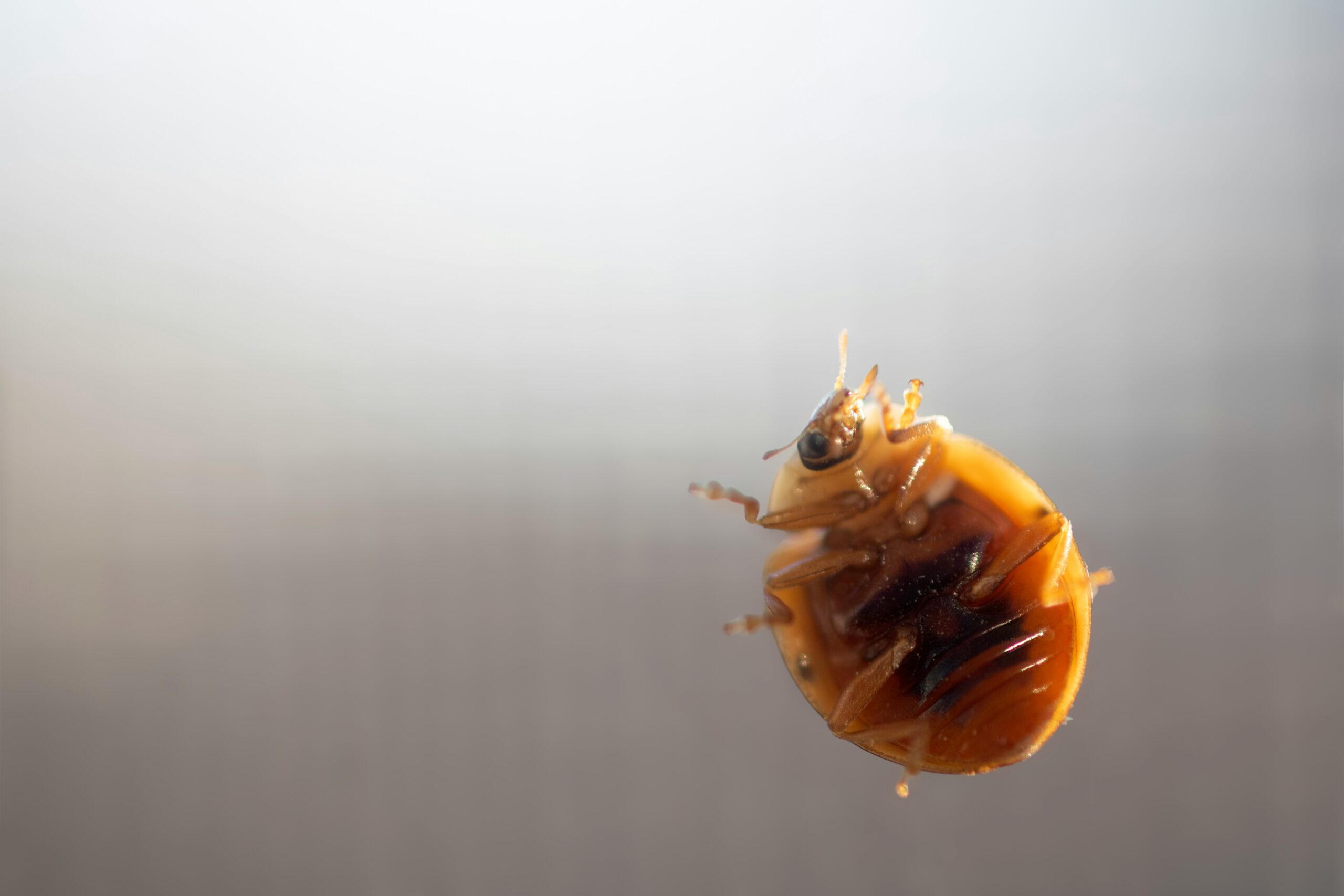
How to get rid of bed bugs is one of the most stressful pest problems a homeowner can face. Bed bugs are small, resilient, and incredibly good at hiding. But with the right approach you can eliminate them completely without spending thousands on professional treatment. This step by step guide will show you exactly what to do.
What Are Bed Bugs?
Bed bugs are small reddish brown insects about the size of an apple seed. They feed exclusively on blood — usually at night while you sleep. Despite their name they don’t only live in beds. They hide in:
- Mattress seams and box springs
- Bed frames and headboards
- Cracks in walls and floors
- Behind electrical outlet covers
- Inside furniture and sofas
- Behind picture frames and wallpaper
Early Signs of Bed Bugs
Catching bed bugs early makes treatment much easier. Look for:
- Small reddish brown stains on your sheets from crushed bugs
- Tiny dark spots on your mattress — bed bug droppings
- Small pale yellow shed skins
- A sweet musty smell in your bedroom
- Itchy red bites in lines or clusters on your skin
- Live bugs in mattress seams when you pull back the sheets
How to Confirm You Have Bed Bugs
- Strip your bed completely
- Use a flashlight to inspect mattress seams, folds, and tags
- Check the bed frame joints and screw holes
- Look behind the headboard
- Check nearby furniture and electrical outlets
If you find any of the signs above you have bed bugs and need to act immediately.
How to Get Rid of Bed Bugs — Complete Treatment Plan
Step 1 — Wash and Heat Treat All Bedding
Bed bugs cannot survive high temperatures. Wash all bedding, pillowcases, and covers on the hottest setting possible. Then dry on the highest heat setting for at least 30 minutes. This kills all bed bugs and eggs in your bedding instantly.
Items that can’t be washed can be placed in a hot dryer for 30 minutes or sealed in a black bag and left in direct sunlight for several hours.
Step 2 — Vacuum Thoroughly
Vacuum your entire mattress paying special attention to seams and folds. Vacuum the bed frame, headboard, and all nearby furniture. Vacuum the floor around the bed including along baseboards and in carpet edges.
After vacuuming immediately seal the vacuum bag in a plastic bag and dispose of it outside your home. If you have a bagless vacuum empty it into a sealed bag outside.
Step 3 — Use a Bed Bug Mattress Encasement
A bed bug proof mattress encasement seals your mattress completely trapping any remaining bugs inside where they will eventually die. It also prevents new bugs from getting into your mattress. Leave the encasement on for at least 12 months.
Step 4 — Apply Diatomaceous Earth
Food grade diatomaceous earth is one of the most effective natural bed bug treatments. Apply a thin layer:
- Around the legs of your bed frame
- Along baseboards in your bedroom
- Behind electrical outlet covers
- In any cracks or gaps in the floor or walls
Diatomaceous earth kills bed bugs by damaging their exoskeleton causing them to dehydrate and die. It continues working as long as it stays dry.
Step 5 — Use Bed Bug Interceptors
Bed bug interceptors are small plastic traps that fit under your bed legs. They trap bed bugs trying to climb up into your bed. They also help you monitor whether your treatment is working.
Step 6 — Apply Bed Bug Spray
Use a bed bug contact spray on your bed frame, headboard, and surrounding furniture. Look for sprays containing:
- Pyrethrins or pyrethroids — fast acting insecticides
- Neem oil — natural option safe for families
- Isopropyl alcohol — kills on contact but doesn’t prevent reinfestation
Spray all hiding spots thoroughly and repeat every 7-10 days for at least 4 weeks.
Step 7 — Steam Treatment
A steam cleaner kills bed bugs and eggs on contact without chemicals. Use it on:
- Your mattress — move slowly over all seams and folds
- Bed frame and headboard
- Sofa and upholstered furniture
- Carpet and rugs
- Curtains and drapes
Use a steamer that reaches at least 120°F (49°C) — the temperature required to kill bed bugs instantly.
How Long Does Treatment Take?
Be realistic — bed bug treatment takes time:
- Minor infestation — 2-4 weeks of consistent treatment
- Moderate infestation — 4-8 weeks
- Severe infestation — professional treatment recommended
Check your interceptors and mattress seams weekly to monitor progress.
Preventing Bed Bug Reinfestation
Once you have eliminated bed bugs take these steps to prevent them coming back:
- Keep your bed bug mattress encasement on permanently
- Leave interceptors under bed legs indefinitely
- Inspect second hand furniture carefully before bringing it home
- Check hotel beds when travelling — inspect mattress seams before sleeping
- Wash and dry clothes on high heat after returning from travel
- Reduce clutter in your bedroom — less hiding spots for bugs
When to Call a Professional
Call a professional pest controller if:
- The infestation is severe and widespread
- DIY treatment hasn’t worked after 8 weeks
- Bed bugs have spread to multiple rooms
- You or family members are having serious allergic reactions to bites
Professional treatments including heat treatment and professional grade insecticides are highly effective for severe infestations.
Bed Bug Treatment in Australia
Australian homeowners should note:
- Some insecticides available in the USA are not registered for use in Australia
- Check the APVMA register for approved bed bug treatments
- Heat treatment is widely available from Australian pest controllers and is highly effective
- Report bed bug problems in rental properties to your state’s fair trading authority
Conclusion
Getting rid of bed bugs yourself is absolutely achievable with patience and consistency. Start immediately with washing all bedding and vacuuming thoroughly. Add a mattress encasement and diatomaceous earth and treat with spray and steam regularly. Stay consistent for at least 4-6 weeks and inspect weekly to monitor progress. The sooner you start treatment the easier it is to eliminate them completely.
This article contains affiliate links. If you purchase a product through our links we may earn a small commission at no extra cost to you.