
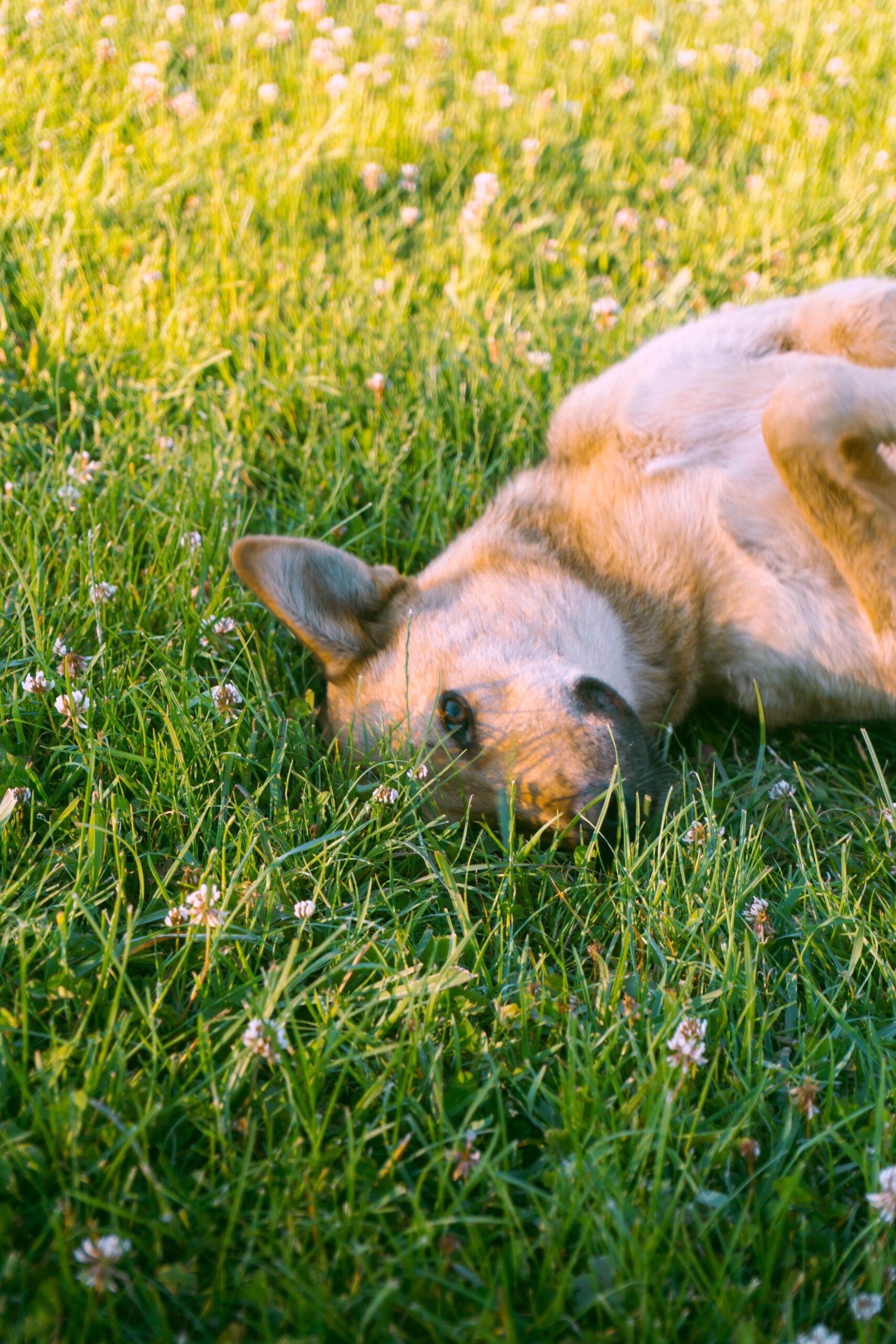
Summer Means Fleas and Ticks Are Back
If you have pets, summer brings a familiar challenge — fleas and ticks become significantly more active as temperatures rise, Flea and tick protection becomes especially important during summer months.
A single flea can lay up to 50 eggs per day. Left unchecked, what starts as one pet scratching can become a household infestation within weeks — fleas don’t just live on your pet, they live in your carpets, furniture, and bedding too.
Ticks bring an additional concern: they can transmit diseases to both pets and humans, including Lyme disease.
The good news is that consistent prevention is far easier and cheaper than dealing with an established infestation. Here’s what actually works.
Why Summer Is Peak Season
Fleas and ticks thrive in warm, humid conditions. As temperatures climb:
- Flea eggs hatch faster — the entire life cycle can complete in as little as two weeks in summer heat
- Ticks become more active in long grass, gardens, and wooded areas
- Pets spend more time outdoors, increasing exposure
- Open windows and doors give fleas more entry points into the home
Step 1 — Year-Round Veterinary Prevention
The single most effective thing you can do is use a veterinarian-recommended flea and tick prevention product consistently — not just during summer, but ideally year-round, with extra attention during peak months.
Common options include:
Oral medications — given monthly, these work systemically and are highly effective. Require a prescription from your vet.
Topical treatments — applied to the skin between the shoulder blades, these spread through the skin’s natural oils and kill fleas and ticks on contact.
Flea and tick collars — provide continuous protection for several months, good for pets who spend a lot of time outdoors.
Talk to your vet about which option suits your pet’s age, weight, and any health considerations — and don’t skip doses during summer even if your pet seems fine.
Step 2 — Check Your Pet Regularly
Make it a habit to check your pet after outdoor time, especially after walks in long grass, woods, or parks.
For ticks:
- Run your hands slowly over your pet’s entire body, feeling for small bumps
- Pay special attention to ears, neck, armpits, between toes, and around the tail
- Ticks can be as small as a pinhead before feeding
If you find a tick:
- Use fine-tipped tweezers or a tick removal tool
- Grasp the tick as close to the skin as possible
- Pull straight up with steady, even pressure — don’t twist
- Clean the area with antiseptic
- Monitor the site for any signs of infection over the following days
For fleas:
- Look for small, fast-moving dark insects, particularly around the base of the tail, belly, and neck
- “Flea dirt” — small dark specks that turn reddish when wet — is a sign of flea activity even if you don’t see live fleas
Step 3 — Treat Your Home, Not Just Your Pet
This is the step many pet owners miss. Adult fleas on your pet represent only about 5% of the total flea population in an infested home — the rest are eggs, larvae, and pupae in your carpets, furniture, and pet bedding.
Vacuum thoroughly and frequently:
- Vacuum carpets, rugs, and upholstered furniture at least twice a week during flea season
- Pay special attention to areas where your pet sleeps or spends time
- Empty the vacuum immediately after each use — outside, into a sealed bag — as flea eggs can survive and hatch inside the vacuum
Wash pet bedding weekly:
- Use the hottest water setting safe for the fabric
- Dry on high heat — heat kills fleas and eggs at all life stages
Consider a household flea spray:
- Look for products specifically labeled for treating carpets and furniture
- Choose options that target both adult fleas and eggs/larvae (look for an IGR — insect growth regulator — in the ingredients)
- Always follow label instructions regarding pet and child safety after application
Step 4 — Treat the Yard
If your pet spends time outdoors, your yard can become a flea and tick reservoir.
Keep grass short:
- Ticks position themselves at the tips of grass and low vegetation waiting for a host
- Regular mowing significantly reduces tick habitat
Create a barrier zone:
- Clear leaf litter, brush, and tall grass at the edges of your yard, especially where it borders wooded areas
- A strip of gravel or wood chips between lawn and wooded areas can help create a tick-unfriendly buffer
Consider yard treatments:
- Outdoor flea and tick sprays designed for lawns can reduce populations significantly
- Apply according to label instructions, particularly being mindful of any water features, vegetable gardens, or areas where children play
Manage wildlife access:
- Deer, rodents, and other wildlife can bring ticks into your yard
- Securing bins, removing food sources, and fencing where practical can help reduce wildlife traffic
Step 5 — Know the Warning Signs
Signs your pet may have fleas:
- Excessive scratching, biting, or licking, particularly at the base of the tail
- Small dark specks in fur (flea dirt)
- Red, irritated skin
- Hair loss in patches
- In severe cases, pale gums (a sign of anemia from blood loss, particularly in puppies and kittens)
Signs of tick-borne illness:
- Lethargy
- Fever
- Loss of appetite
- Joint pain or limping
- Swollen lymph nodes
If you notice any of these signs, particularly following a known tick bite, contact your veterinarian promptly.
For Multi-Pet Households
If you have multiple pets, all of them need treatment — fleas will simply move between untreated and treated animals. This applies even to pets that stay primarily indoors, as fleas can be carried inside on other pets, on clothing, or by simply entering through doors and windows.
A Note on Natural and DIY Approaches
Many pet owners look for natural alternatives to chemical treatments. While some natural approaches — like diatomaceous earth for home treatment, or cedar-based repellents — can play a supporting role, they generally aren’t sufficient as the sole protection during peak flea and tick season, particularly in areas with high tick-borne disease risk.
The most effective approach combines:
- Vet-recommended preventive treatment (the foundation)
- Regular checking and grooming
- Home and yard management
The Bottom Line
Flea and tick prevention is one of those things that’s far easier to maintain than to fix once it becomes a problem. A consistent monthly prevention routine, combined with regular checks and basic home and yard maintenance, will keep both your pets and your home comfortable throughout the warmer months.
If you’re unsure which prevention product is right for your pet, your veterinarian remains the best resource — they can factor in your pet’s specific health profile, your local flea and tick pressure, and any other medications your pet may be taking.
Alongside your vet’s recommended prevention product, many pet owners also keep a flea and tick collar for dogs as extra protection for pets that spend a lot of time outdoors in long grass or wooded areas.
This article contains affiliate links. If you purchase a product through our links we may earn a small commission at no extra cost to you.