
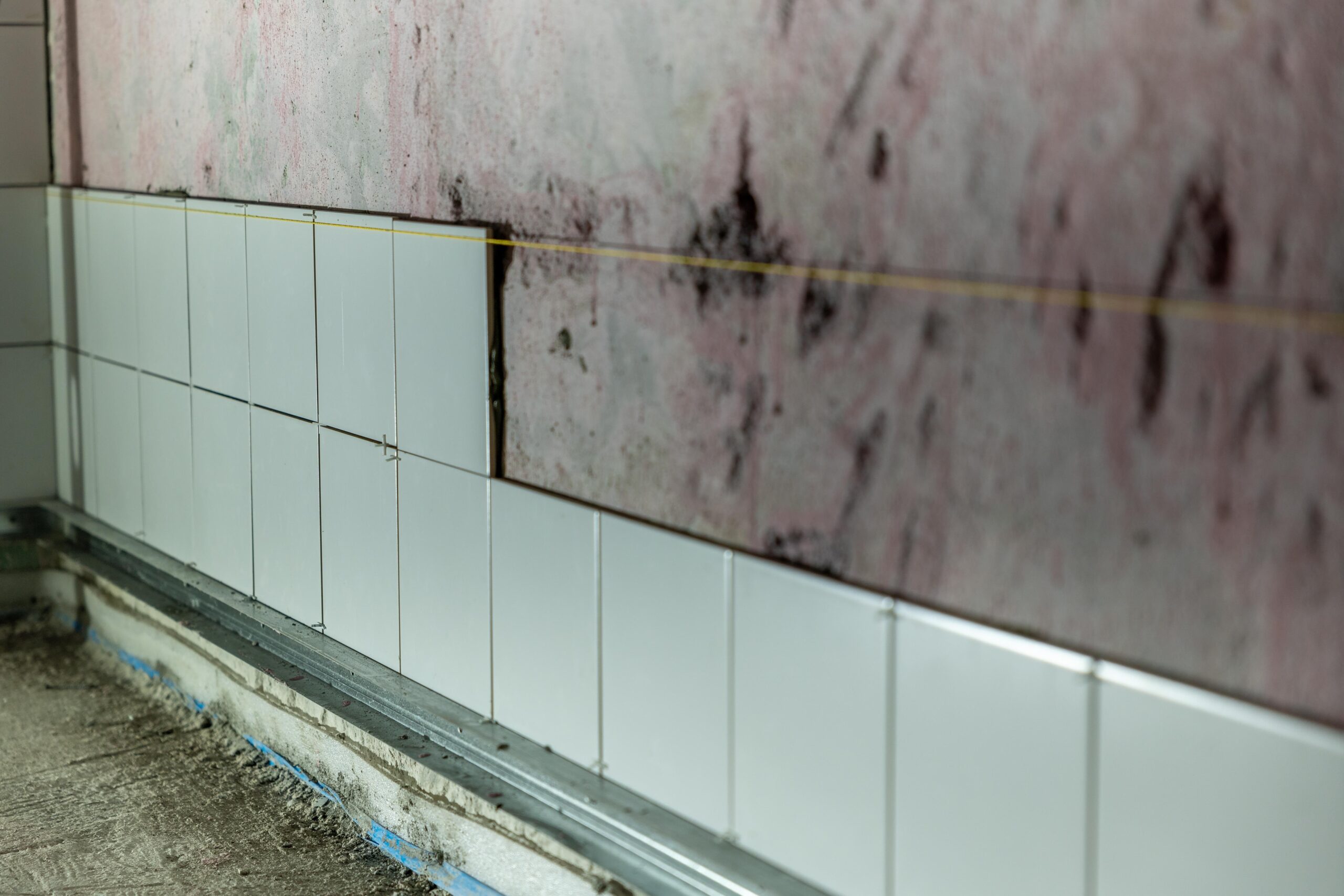
Mold Doesn’t Announce Itself
It starts as a small dark patch in the corner of your bathroom. Easy to ignore. Easy to wipe over.
Then it spreads.
Before long it’s behind your tiles, inside your walls, and affecting the air quality of your entire home.
Mold is one of the most common and most underestimated home problems. It affects millions of homes across the USA and Australia — particularly in humid coastal areas. And unlike most home problems it doesn’t just damage your property. It damages your health.
This guide shows you exactly how to find it, remove it, and stop it coming back.
Why Mold is a Health Issue Not Just a Cosmetic One
Most homeowners treat mold as an aesthetic problem. A stain to be cleaned.
It’s much more than that.
Mold releases microscopic spores into the air. Breathing these spores regularly can cause:
- Respiratory problems and worsening asthma
- Chronic coughing and sneezing
- Eye and skin irritation
- Headaches and fatigue
- In severe cases — serious lung infections
Children, elderly people, and anyone with respiratory conditions are particularly vulnerable. If someone in your home has unexplained respiratory symptoms mold could be the cause.
How to Identify Mold
Mold appears in several forms:
- Black or dark green patches — most common. Often found in bathrooms and kitchens.
- White fuzzy growth — common on walls and timber in poorly ventilated areas
- Orange or pink slime — often found in shower drains and on grout
- Musty smell without visible growth — mold may be hidden inside walls or under flooring
Black Mold vs Regular Mold — What’s the Difference?
You’ve probably heard of black mold and its reputation as particularly dangerous. Here’s the honest truth:
All mold should be taken seriously and removed promptly. The color of mold doesn’t reliably indicate how dangerous it is. What matters is the extent of the growth and where it is — surface mold on tiles is very different from mold inside your wall cavity.
If you suspect mold inside your walls, in your HVAC system, or covering an area larger than one square meter — call a professional. That’s beyond DIY territory.
What Causes Mold to Grow
Mold needs three things:
- Moisture
- A surface to grow on
- Warmth
Remove the moisture and you remove the mold’s ability to survive and spread. Every mold removal effort that doesn’t address the source of moisture will fail eventually.
Common moisture sources in homes:
- Poor bathroom ventilation
- Leaking pipes inside walls
- Condensation on cold surfaces
- Rising damp from the ground
- Roof leaks
- Blocked gutters allowing water to penetrate walls
- Inadequate subfloor ventilation
Room by Room Mold Removal Guide
The Bathroom
The bathroom is the most common location for household mold due to the combination of steam, moisture, and often poor ventilation.
Grout and tiles:
- Mix one part white vinegar with one part water in a spray bottle
- Spray directly onto affected grout and tiles
- Leave for 30 minutes
- Scrub with a stiff brush — an old toothbrush works well for grout lines
- Rinse thoroughly
- For stubborn mold use a commercial mold remover spray following label instructions
Silicone sealant:
Mold in silicone sealant around your bath and shower is extremely common and very difficult to remove. In most cases the most effective solution is:
- Cut out the affected silicone with a utility knife
- Clean the area with white vinegar
- Allow to dry completely — at least 24 hours
- Apply fresh silicone sealant
- Smooth with a wet finger and allow to cure
Ceiling:
Bathroom ceiling mold is usually caused by steam with nowhere to go.
- Mix one cup of bleach with one litre of water
- Apply to the ceiling with a sponge — wear gloves and eye protection
- Leave for 15 minutes
- Wipe clean
- Repaint with mold resistant bathroom paint
Important: open windows and ventilate well when using bleach.
The Kitchen
Under the sink:
Leaking pipes under kitchen sinks create the perfect mold environment. Check inside your under-sink cabinet regularly.
- Fix any leaking pipes first — mold will return immediately if moisture continues
- Clean affected surfaces with white vinegar solution
- Allow to dry completely
- Paint with mold resistant paint if the surface is paintable
- Leave the cabinet door open periodically to improve ventilation
Window sills:
Condensation on kitchen windows creates mold on window sills.
- Clean with white vinegar solution
- Dry thoroughly
- Apply a thin coat of mold resistant paint
The Bedroom
Bedroom mold is often hidden — behind furniture pushed against external walls, inside wardrobes, or under windows.
Behind furniture:
Pull wardrobes and beds away from external walls periodically and check for mold. Cold external walls combined with warm air from the room create condensation — a perfect mold environment.
Prevention: Leave a gap of at least 50mm between furniture and external walls to allow air circulation.
Inside wardrobes:
Wardrobes on external walls with poor air circulation are common mold spots.
- Empty the wardrobe
- Clean all surfaces with white vinegar solution
- Allow to dry completely with the door open
- Place moisture absorbing products inside — silica gel packs or a dehumidifier sachet
The Laundry
Washing machine seal:
The rubber seal around front loader washing machine doors is a notorious mold hotspot.
- Mix white vinegar and water
- Wipe inside all the folds of the rubber seal — mold hides in the folds
- Run an empty hot wash cycle with a cup of white vinegar
- Leave the washing machine door open after every wash to allow it to dry
Laundry walls:
If your laundry has poor ventilation and gets damp after washing the walls may develop mold.
- Clean with white vinegar solution
- Install an exhaust fan if one isn’t present
- Open windows after washing
Subfloor and Roof Void
If you have a subfloor or roof void — common in Australian homes — mold can develop there and affect air quality throughout the house without any visible signs inside.
Signs of subfloor or roof void mold:
- Musty smell throughout the house
- Increased allergy or respiratory symptoms
- Visible mold appearing on ground floor skirting boards
This type of mold requires professional assessment and remediation.
The Mold Removal Products That Actually Work
White vinegar — effective on most surface molds. Safe for most surfaces. No harsh fumes.
Baking soda — gentle abrasive that helps remove mold staining. Mix with water to form a paste.
Hydrogen peroxide (3%) — effective mold killer. Safe on most surfaces. Apply, leave 10 minutes, scrub, wipe clean.
Tea tree oil — natural antifungal. Mix 2 teaspoons with 2 cups water. Spray and leave — no rinsing required.
Bleach solution — most effective for severe mold on non-porous surfaces like tiles. Use with caution — never mix with vinegar or other cleaners.
Commercial mold removers — look for products containing benzalkonium chloride or sodium hypochlorite for best results.
Protective Equipment for Mold Removal
Always protect yourself when removing mold:
- N95 or P2 respirator mask — not a standard dust mask
- Rubber gloves
- Safety glasses or goggles
- Old clothing you don’t mind disposing of
Stopping Mold Coming Back — The Long Term Fix
Removing mold without fixing the moisture source is temporary. Here’s how to address the root cause:
Improve ventilation:
- Install or upgrade bathroom exhaust fans — run them during and for 30 minutes after every shower
- Open windows daily even in winter — just 10 minutes creates significant air exchange
- Consider a whole house ventilation system for severely affected homes
Reduce condensation:
- Insulate cold walls and pipes to reduce condensation surfaces
- Use a dehumidifier in particularly damp rooms — especially in winter
- Dry clothes outside or in a well ventilated space — never on indoor radiators
Fix moisture sources:
- Repair leaking pipes promptly
- Clear gutters regularly to prevent water penetration
- Seal any gaps in external walls where moisture can enter
- Ensure adequate subfloor ventilation
Monitor humidity:
- Ideal indoor humidity is 40-60%
- A cheap digital hygrometer (~$10) lets you monitor humidity in problem rooms
- If consistently above 60% a dehumidifier is worth the investment
When to Call a Professional
Call a professional mold remediation company if:
- Mold covers an area larger than one square metre
- You suspect mold inside walls or under flooring
- Mold keeps returning despite treatment
- Anyone in your home has unexplained respiratory symptoms
- You can smell mold but can’t find the source
Professional remediation is not cheap — but neither is the health cost of living with serious mold.
The Bottom Line
Mold is a moisture problem first and a mold problem second. Clean the mold you can see. Then fix what’s causing the moisture. Without that second step you’re having the same conversation with your bathroom ceiling in six months time.
Deal with it properly once. Deal with it permanently.
This article contains affiliate links. If you purchase a product through our links we may earn a small commission at no extra cost to you.